

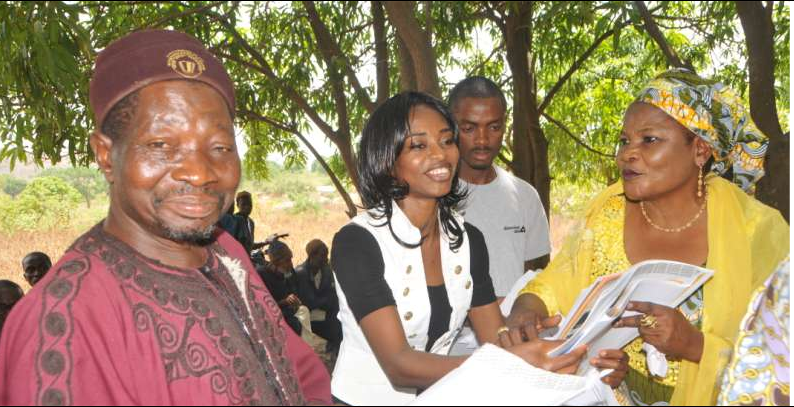

The project, “Empowering Women and Youth in Addressing the Effects of Emissions and Land Degradation in Burum District, FCT Abuja,” was conceived to tackle the growing challenges of environmental degradation, climate change, and the unsustainable exploitation of natural resources within the district. The initiative specifically focused on empowering women and young people as key agents of environmental stewardship and sustainable community development.
The project aimed to address the problem of land degradation caused by unsustainable agricultural practices, deforestation, bush burning, and excessive dependence on natural resources. These activities have over the years contributed to soil erosion, declining soil fertility, loss of vegetation cover, and reduced agricultural productivity, thereby threatening the livelihoods of community members who depend largely on farming and related activities.
A major component of the intervention was the promotion of measures to reduce greenhouse gas emissions within the communities. The project sought to minimize the widespread use of firewood as the primary source of energy for cooking and household activities, recognizing that excessive fuelwood harvesting contributes significantly to deforestation, biodiversity loss, and environmental degradation. Through the introduction of clean and renewable energy solutions, particularly solar energy technologies, the project provided sustainable alternatives that reduce pressure on forest resources while improving access to reliable energy.
In addition, the initiative promoted climate-smart and sustainable agricultural practices among farmers. Community members were sensitized and trained on environmentally friendly farming techniques that help conserve soil, improve productivity, and restore degraded lands. These practices were designed to reduce environmental impacts while enhancing food security and strengthening community resilience to the effects of climate change.
The project also placed a strong emphasis on environmental conservation and ecosystem restoration. Through awareness campaigns, tree-planting activities, and community engagement programmes, beneficiaries were encouraged to actively participate in protecting and restoring their natural environment. These efforts contributed to improving land quality, increasing vegetation cover, and fostering a culture of environmental responsibility among residents.
By empowering women and youth with knowledge, skills, and access to sustainable technologies, the project strengthened local capacity to address environmental challenges and drive long-term community development. The initiative not only contributed to reducing emissions and reversing land degradation but also promoted sustainable livelihoods, improved environmental health, and enhanced the overall well-being of the people of Burum District, FCT Abuja.
